Posted on

Bookselling today: Did the author get paid?

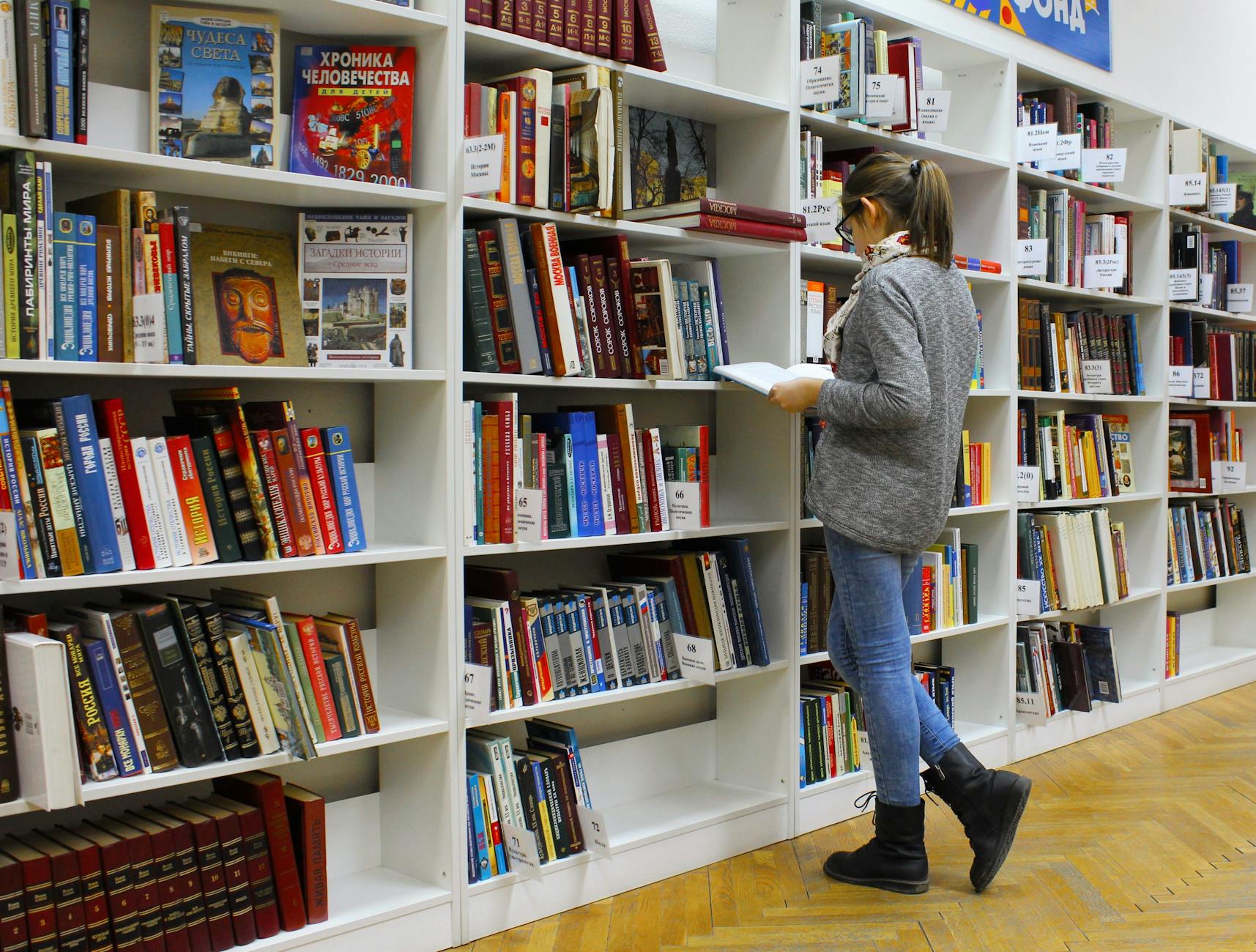
woman reading book

You support authors you like. You buy their books, therefore you support them, right? Yes, but… Where and how you buy a book can matter as much to the author’s bottom line as whether you bought it at all. Sadly, the publishing industry operates on a set of archaic rules so lopsided that even if a book becomes a bestseller, its author may still lose money.

The hidden, ugly thing about bookselling

When a bookstore orders copies of a book, it isn’t the straightforward sale it appears to be. The book retail industry has historically operated more like a consignment arrangement. A retailer, whether it’s a Barnes & Noble, an independent shop, or a big-box store like Target, orders books from a distributor, stocks them on shelves, and then, if the books don’t sell within a relatively brief period of time, two or three months, sends them right back for a full refund.

This practice of “returnable” inventory was baked into the bookselling industry during the Great Depression as a way to encourage retail booksellers to take risks on unknown authors. The logic was reasonable: if a bookstore could return what it didn’t sell, it would be more willing to stock titles with uncertain commercial appeal. In theory, this should have opened doors for authors, but in practice, it created chaos.

Publishers, anticipating demand that may never arrive, routinely overprint. Bookstores, fearing they’ll miss a hit, overbuy. And when the books don’t move, they get shipped back. For titles by debut or small-press authors, the number of returns can be staggering. In trade publishing’s big-box retail model (think Costco, Walmart, and Target) return rates of 30 to 40 percent are not unusual. Those numbers are crippling for a small press and its authors.

When a “sale” isn’t really a sale

Here’s where it gets particularly painful for authors.

When a retailer orders a book, the money flows, briefly, in the right direction. The retailer buys at a wholesale discount (typically 55% off the cover price) from a distributor. The distributor passes royalties to the publisher, who pays the author their contracted percentage. So far, so good.

But that initial transaction is what the industry calls a “soft sale.” If the book comes back, those royalties come back too as a negative line item on the author’s royalty statement. The author has already been paid; now they owe it back. Distributors also charge a per-unit restocking fee on returned copies, meaning publishers, and by extension, authors lose money coming and going.

This system evolved for reasons that once made sense. But it has calcified into something that harms the very people doing the creative work, and there’s been no regulation to address it.

The big-box and algorithm problem

The returns crisis is inseparable from the broader shift in who sells books and how they sell them.

When trade publishing orients itself toward high-volume retailers with massive floor space and razor-thin margins, the inevitable result is aggressive ordering followed by aggressive returns. A celebrity biography ordered in bulk by a big-box chain can come flooding back the moment public sentiment turns, and books tied to news cycles or seasonal trends vanish from shelves before they find their readers.

Meanwhile, Amazon makes 60% of all book sales today, and that gives it unreasonable leverage over publishers’ terms, discounts, and visibility. For readers, the algorithm feels helpful, with recommendations, one-click purchasing, and overnight delivery. For authors and small publishers, however, the reality is more complicated. Royalty structures vary dramatically depending on the platform, the price point, and whether the author goes through a publisher or self-publishes.

The point is that authorsโ€”especially debut, independent, and small-press authorsโ€”are the least protected participants in a system that treats books like produce: stock the shelves, and if it doesn’t move, send it back.

What you, the reader, can actually do:

Here’s the good news: readers have more power than they know. Every deliberate purchasing decision is a small vote for the kind of publishing world we all want to exist. Here are a few suggestions to help you to help the author (and the small press) the next time you buy a book:

  • Buy directly from the author or publisher when possible. A direct sale from an author’s or publisher’s website typically puts 20 to 30 percent more money in that author’s pocket than a sale through a major retailer. Purchasing direct cuts out multiple middlemen and ensures that more money goes to the creators of the book.
  • Request books at your local independent bookstore. Even if the store doesn’t stock a title, walking in and asking for it creates a demand. Readers asking for a book are more persuasive to a bookseller than an author asking for shelf space, and getting a book onto physical shelves opens the door to discovery that no algorithm can fully replicate.
  • Leave reviews. On Amazon, on Goodreads, on your own social feeds. Reviews improve an author’s algorithmic visibility and they also help the next reader make the decision about buying that book. For independent and small-press authors, a handful of genuine reviews can really shift how a title performs.
  • Recommend books vocally. Word of mouth is still the most powerful sales engine in any field. A personal recommendation, whether by text message, a post on social media, or a mention at book club can drive sales in ways no marketing budget can replicate.
  • Borrow from the library, and then tell the library what you loved about the book. Library checkouts of physical books or digital books also generate royalties, and library purchase requests help small-press titles reach institutional collections. Librarians listen. (And come on! You’re supporting libraries at the same time… We need libraries!)
  • Support literary culture broadly. Subscribe to literary magazines. Attend author readings. Follow small presses on social media. The infrastructure that produces good books depends on an ecosystem of support that goes beyond individual transactions.

The bottom line

Publishing is a business built on optimism. Every book represents a bet by the author, the press, and the bookseller that someone will care about that book. Readers are crucial to those bets paying off.

So, buy the book directly from the author or publisher if you can. Bookshop.org is a good alternative if you would rather shop on line. Then tell someone about the book. Ask your local bookstore and library to carry it. Leave a review. The authors you love are counting on more than your enthusiasm; they’re counting on you to help keep the lights on.


Madville Publishing is an independent literary press committed to supporting authors and building a more equitable publishing ecosystem. Browse our catalog and purchase directly at madvillepublishing.com.

Posted on

Madville goes to Baltimore for AWP26

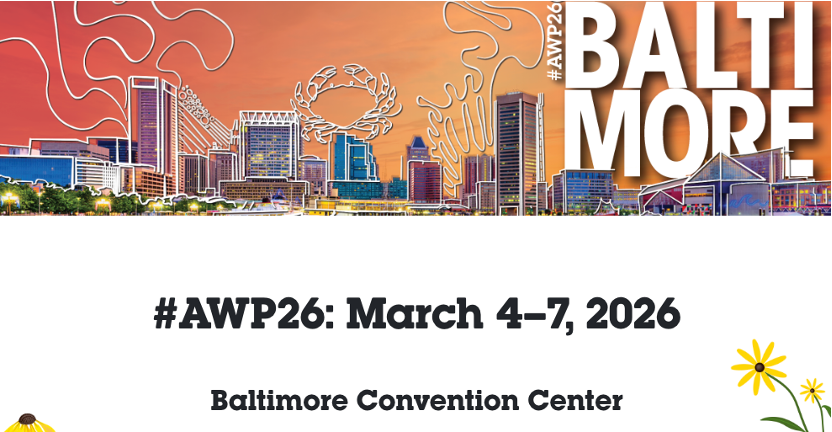
Banner for AWP26, March 4-7, 2026 picture of a styled city skyline with the word Baltimore over it in white text.

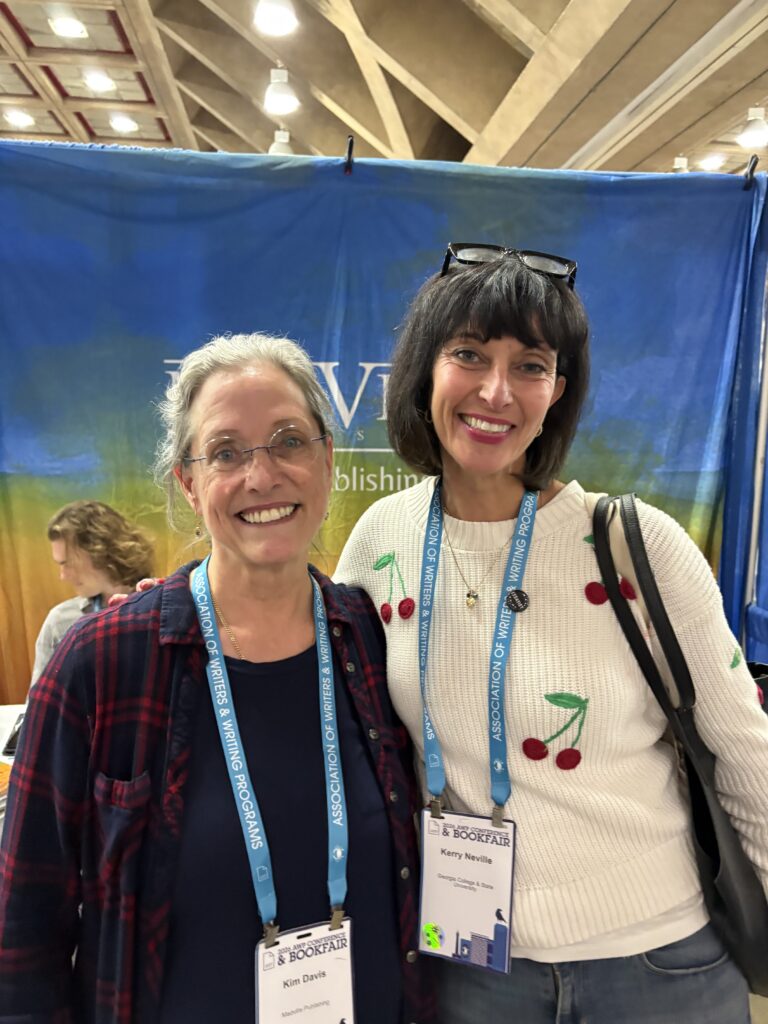
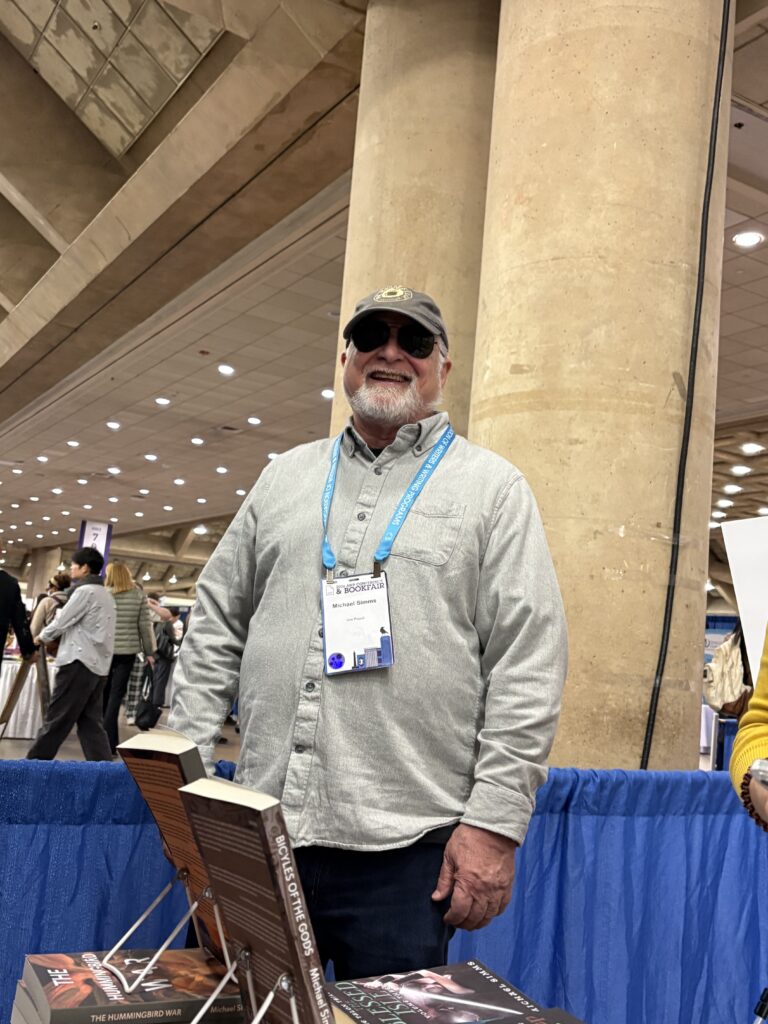
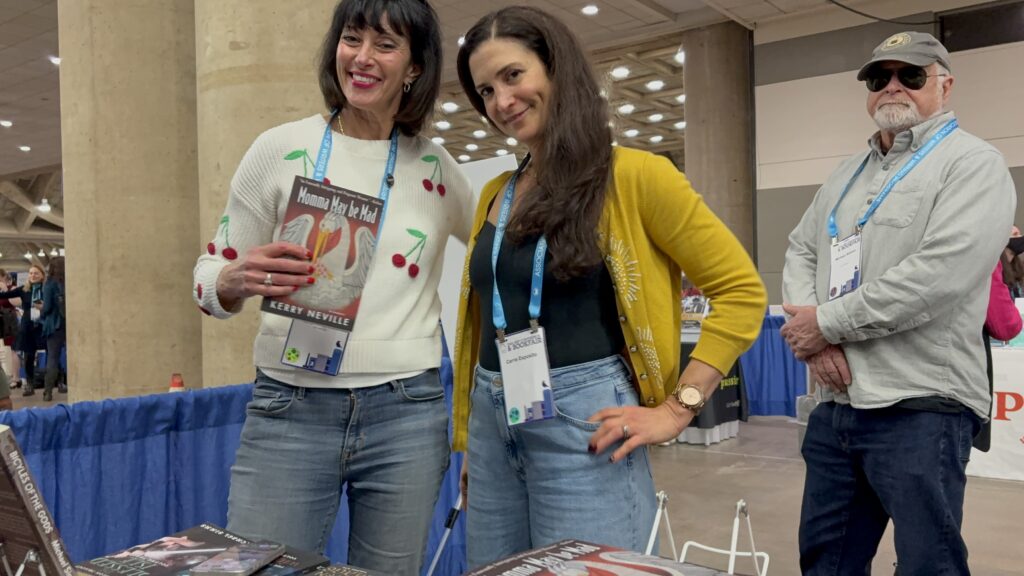
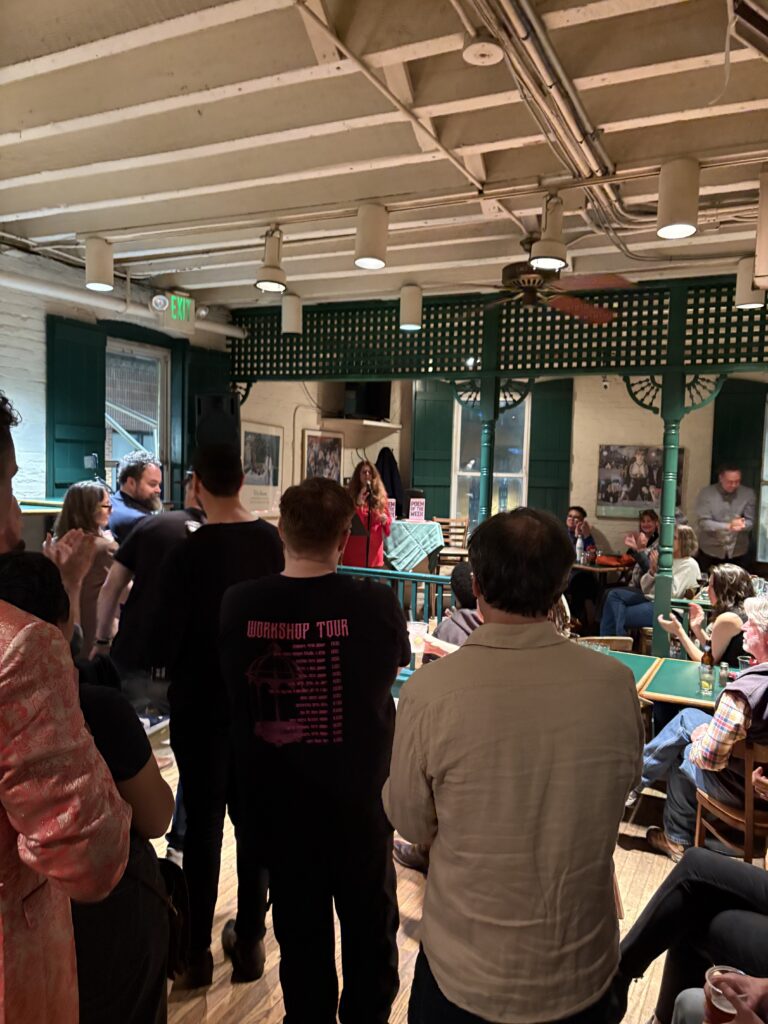
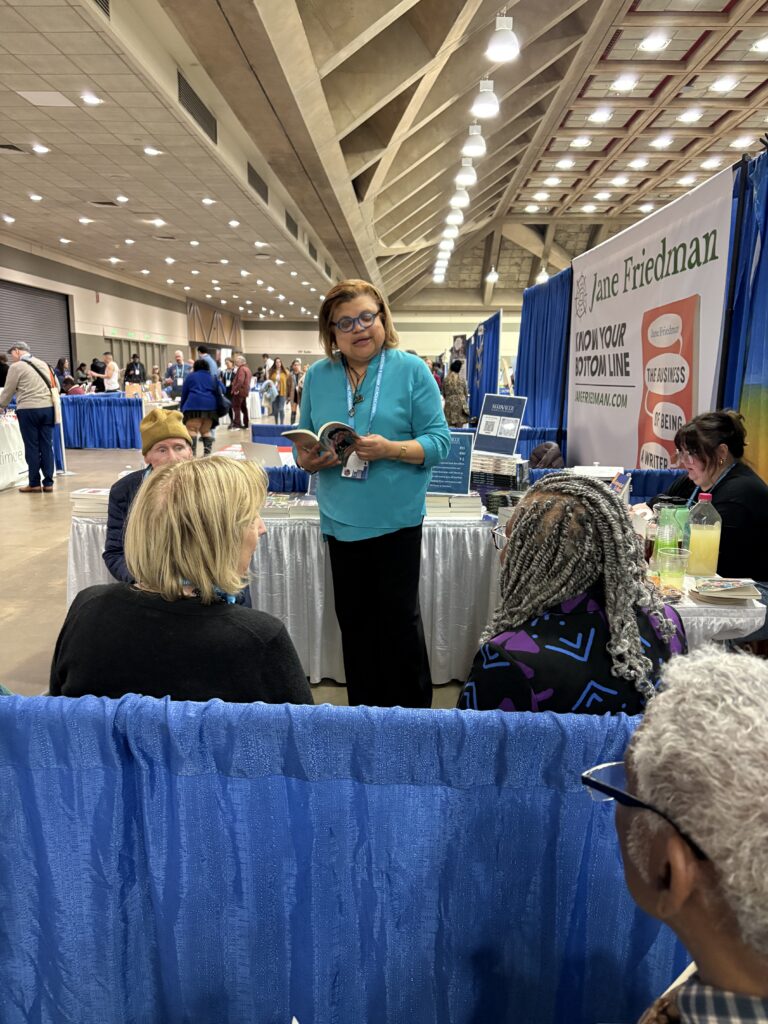
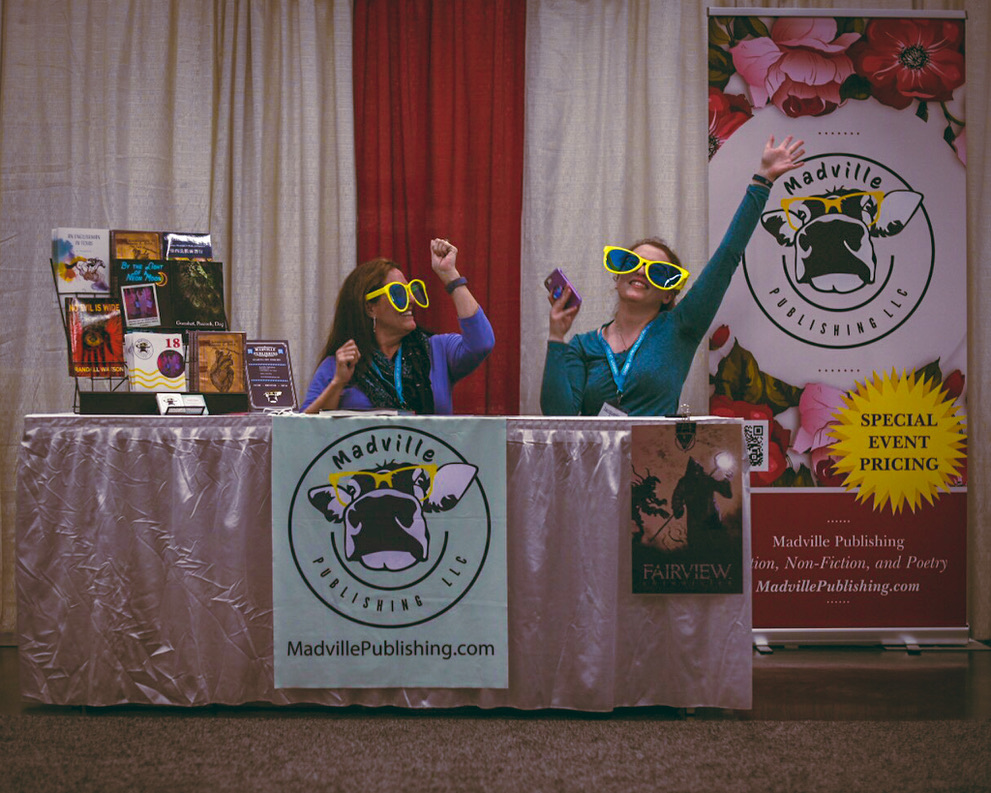
We’ve just returned from AWP, North America’s largest Conference & Bookfair for writers and writing programs. It took place in Baltimore March 4-7, 2026. We saw a lot of friends. There was comedy at our little corner of the book fair, as usual. It seems there was a rogue electric mobility device that was assigned to two of our friends on different days. Of course, both friends tried to stop by to see us. Tried is the operative word here because the evil blue cart had other ideas! I won’t mention names, but one friend plowed through on Friday, and another did the same on Saturday!!! It was good for a laugh, but I did mention it to the security staff, since we are pretty sure the same cart was involved in both accidents.

A feeling of solidarity

The feel of this conference was one of solidarity. Everyone seemed to recognize that our role has become more important over recent months. The books we write and publish and the younger writers and editors we teach have greater value than ever in this time of book banning and media consolidation. We seem all to be holding the weight of responsibility to maintain literacy itself.

The electricity of enthusiasm

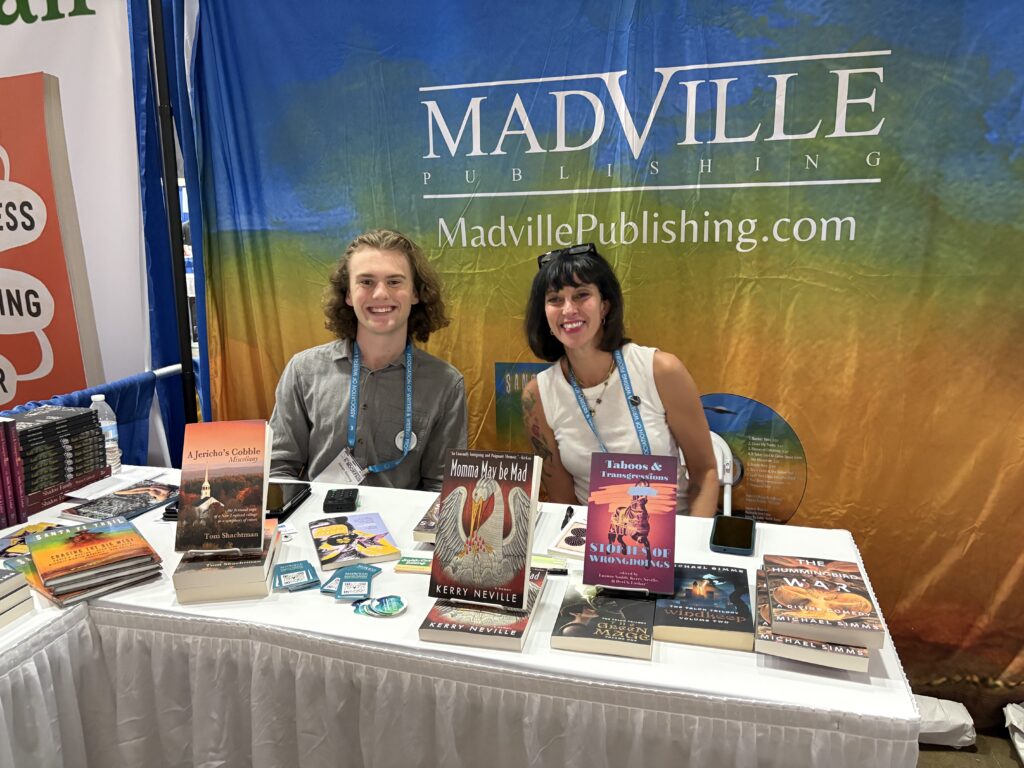
We say this every year, but the really good part… The best part of the whole event is seeing our friends. And making new ones! We got a lot of compliments on our books. We sold a lot of books. We took too many anyway, and didn’t have enough of the ones everyone wanted… (Twenty Years of Poem of the Week . com, Momma May Be Mad, The Hummingbird War, and Signed, Sealed, Delivered).

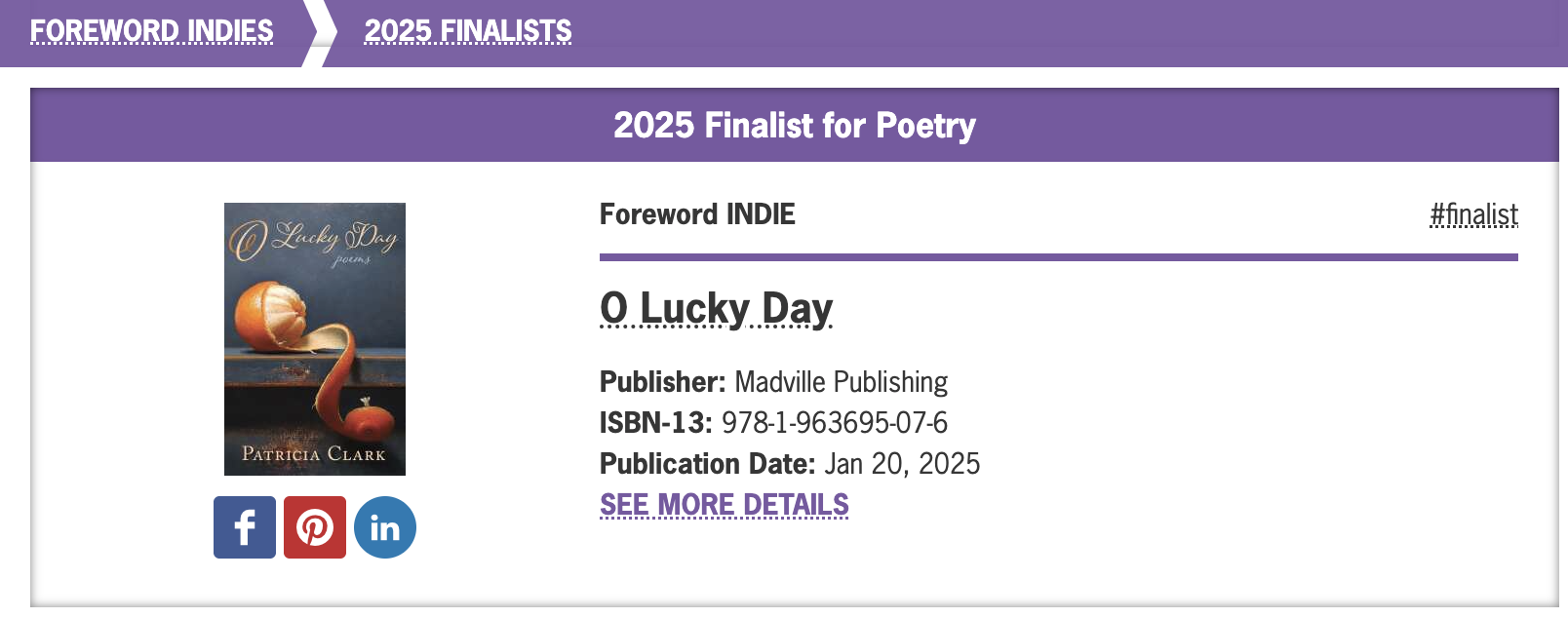
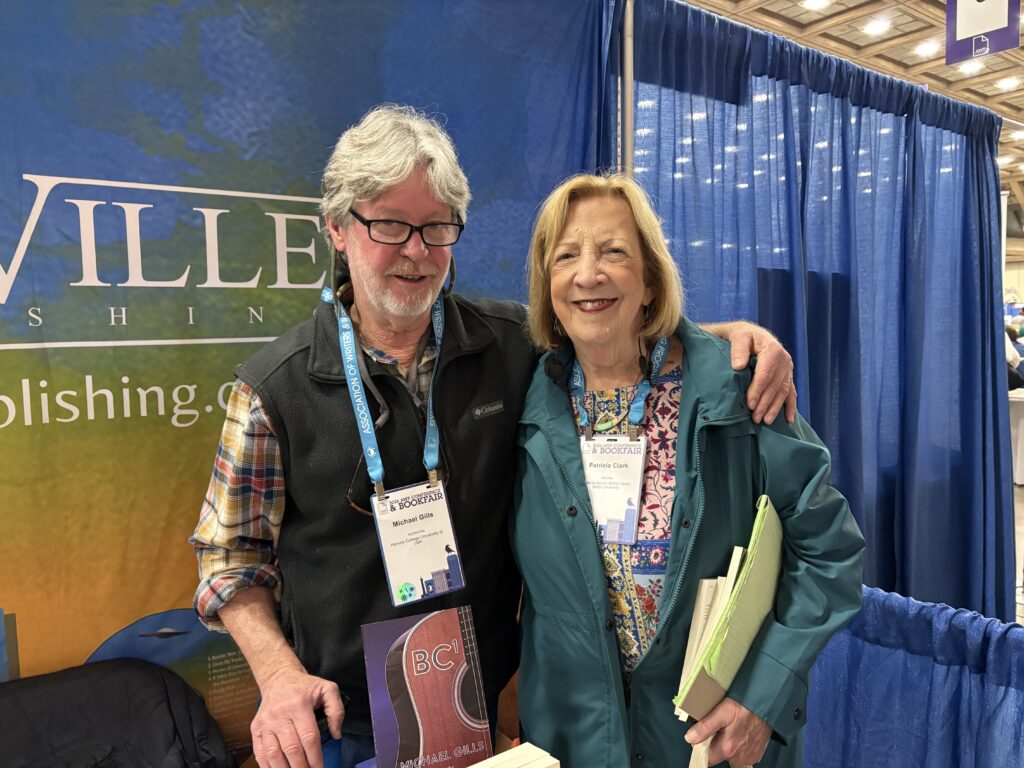
There was a little surprise for Patricia Clark while we were there. She got word that her O Lucky Day has been named a Forward Indies finalist. So we got to share that news with people stopping by the booth.

Screen capture from The Foreword Indies Awards page showing that Patricia Clark's O Lucky Day is a finalist in the poetry category

Posted on

AWP Retrospective

It’s that time of year again, already–AWP!!! We feel like we are hanging on for dear life. Somehow we forget every year how fraught January and February are… no matter how carefully we plan and organize.

What causes chaos at the start of the year?

End-of-year bookkeeping is a beast. Royalty calculations, statements, and then checks going out. It happens every year, and we always think, “next year it’s going to be easy…” But each year brings special challenges. still we’re pretty sure this time. Next year WILL be easier. but the royalty checks went in the mail yesterday. Whoosh! (6 weeks of my life I’ll never get back… and the bookkeeper’s life… You all have no idea how much work goes into getting those statements right. So many small sums of money come and go from so many directions that it takes a specialist or two to get it right, and at the end of the year, no amount of careful recording makes all of it make sense!)

AWPs past

Then there’s the anxiety brought on by memories of AWPs past. So many things have gone wrong. Kim’s first trip to AWP she was very green. She shipped four or five boxes of random books and didn’t read all the convoluted instructions about tax documents and all the rest of it, so spent that whole conference sitting with more experienced poets and authors who published with TRP. We couldn’t really sell books, so we gave a bunch away, and Kim learned plenty just shooting the you-know-what and people watching.

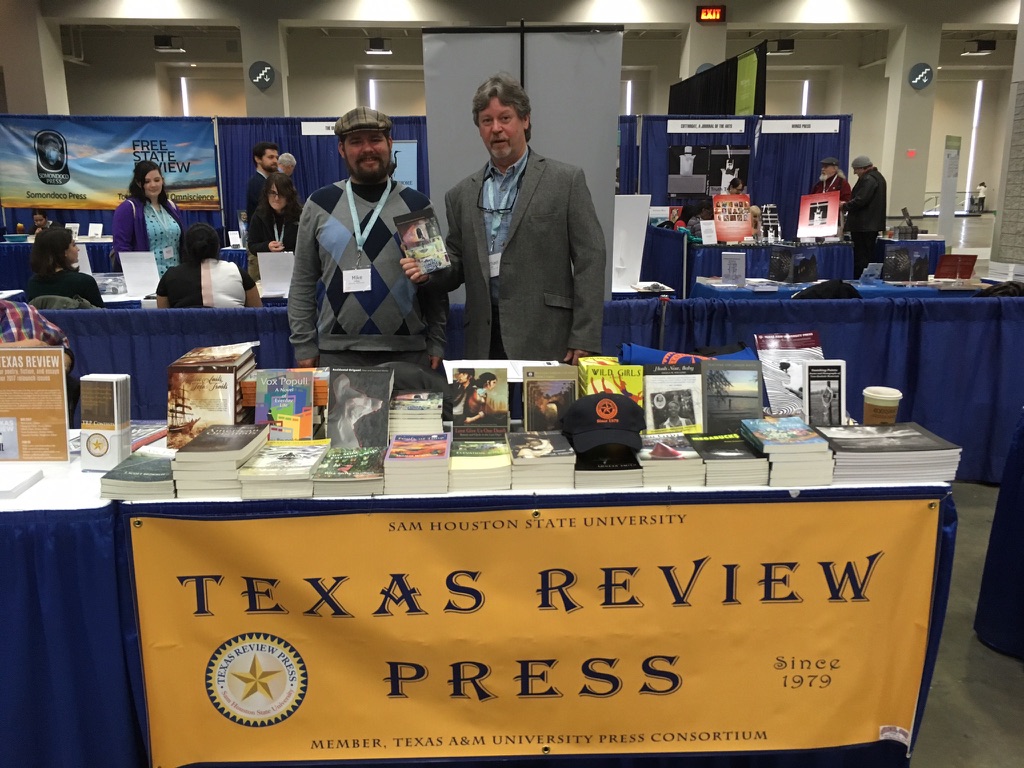
Current Madville authors, Mike Hilbig and Michael Gills stand at TRP's table at AWP 2017. Gills holds his book from that year. There's a bit yellow sign with blue lettering on the front of the table that says Texas Review Press

AWP in Washington DC in 2017. The table for the press with Mike Hilbig standing with Michael Gills.

AWP 2018 in Tampa

In 2018, Kim was at the tail end of her time with TRP, and planning for Madville’s launch. She sat, for the second year in a row, next to Rick Campbell, veteran editor, publisher, and poet, and a friendship developed. It was once more a good time and place to people-watch and learn. An unfortunate connection was made to a printer/distributor who offered what we thought we couldn’t get for Madville as a start-up… full distribution. (Y’all know that old adage about when something seems too good to be true?? But these guys were old school, respected…) At any rate, friendships grew at that Tampa conference and seeds were planted for Madville.

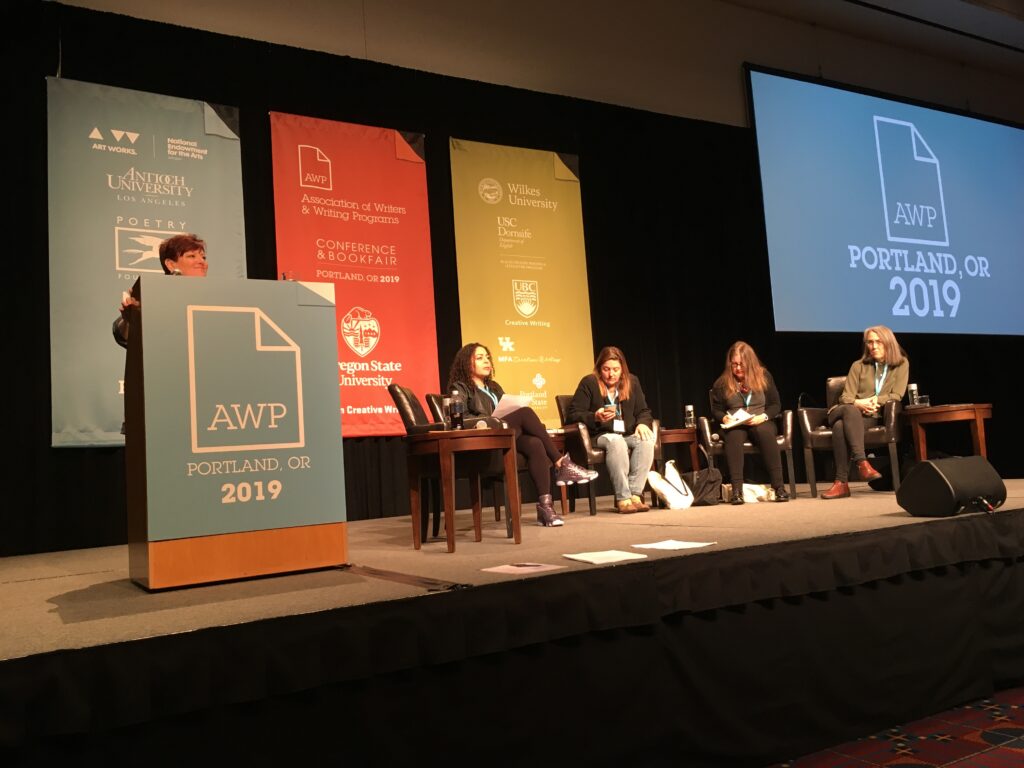
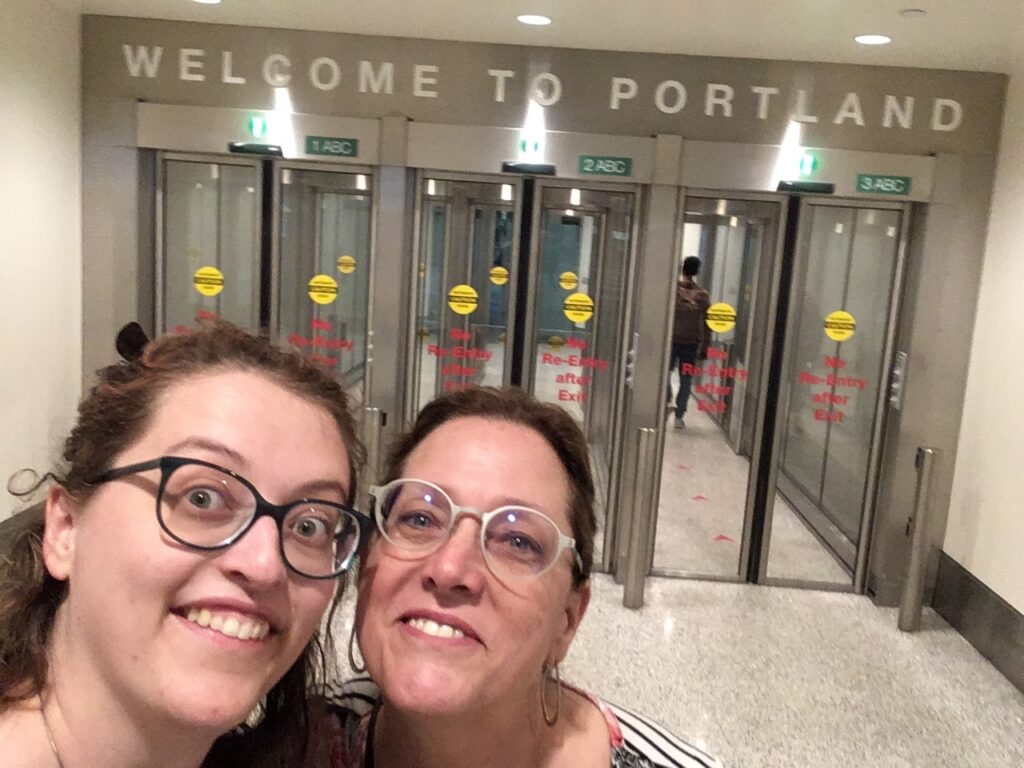
AWP 2019 in Portland

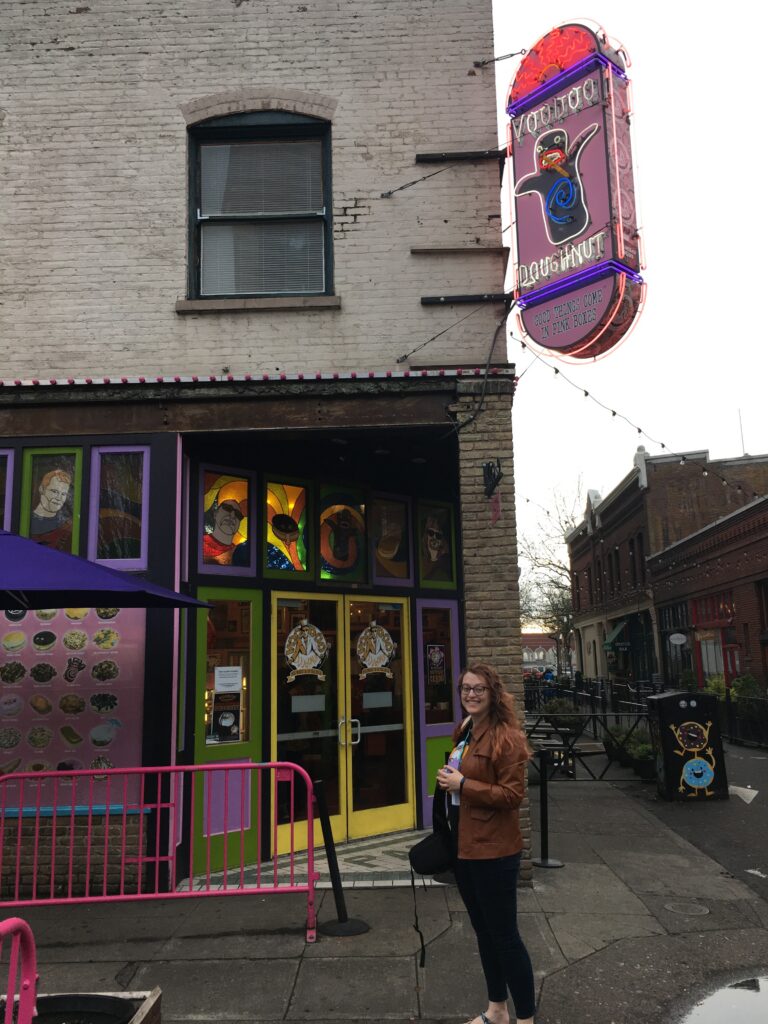
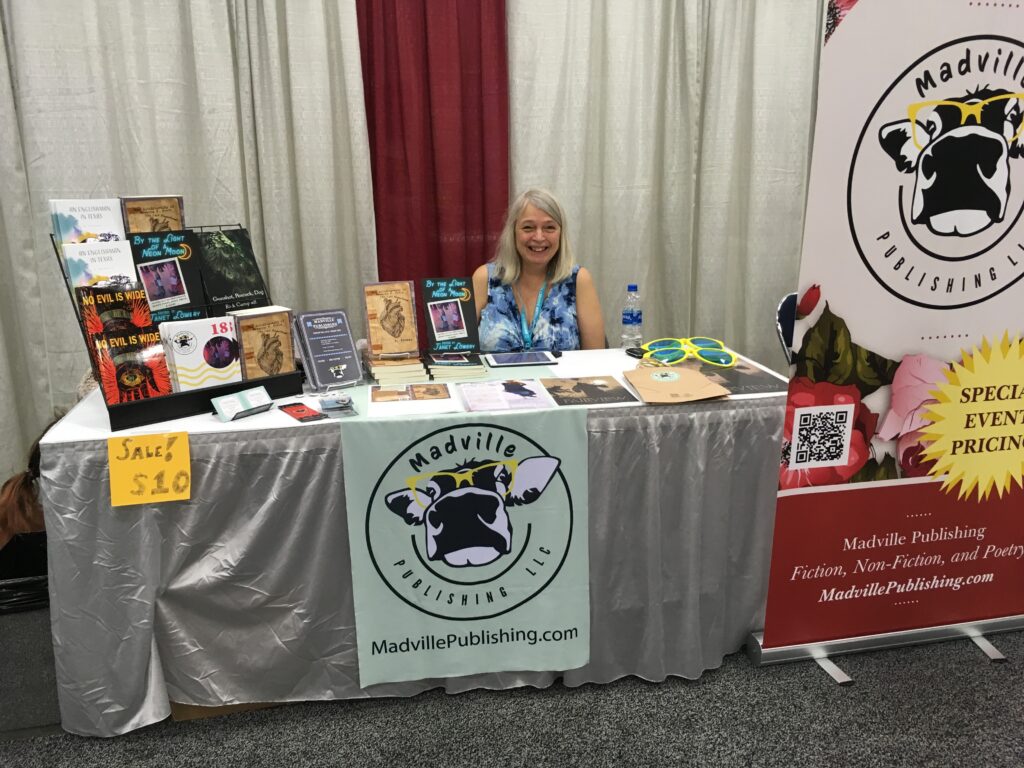
2019 was Madville’s, our big introductory year. And that Thursday morning as Kim was walking into the bookfair to kick the whole thing into gear, she received the email from her printer/distributor that they had filed for bankruptcy and Madville should figure out what to do with their books. We got the books back, but those so-and-sos ate all our money for our first year of operations. But you know… we did what we do… We put a brave face on it and had a good time.

Then there was AWP 2020 in San Antonio

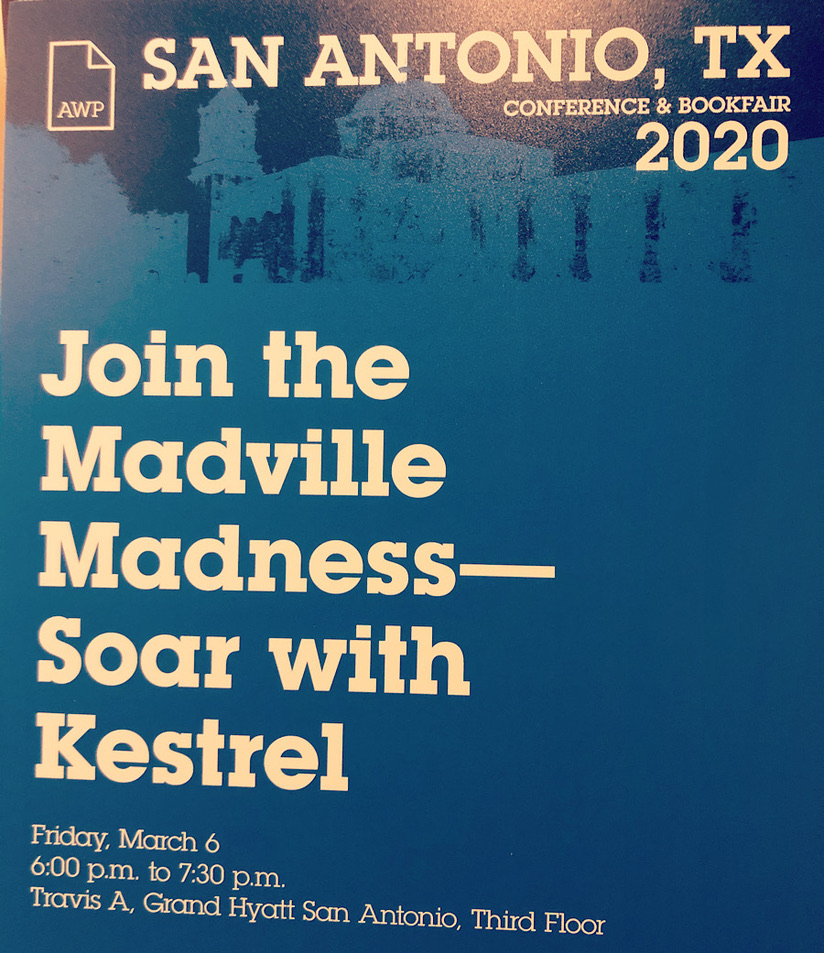
2020 should have been our big breakout year. We were determined to make a grand splash in San Antonio–in our home state. We splurged and took a whole booth space in conjunction with our friends at Kestrel: A Journal of Literature and Art that is put out by Fairmont State University. And wouldn’t you know? March 2020 marked San Antonio, Texas, as ground zero for the Covid-19 Lockdown.

We had fun anyway, not realizing how serious the situation really would become. We saw old friends, breathed in each other’s general directions, and tried to figure out social distancing. And we didn’t make the splash we hoped we would. Many people were sensible and stayed home, but news was breaking while we were driving to San Antonio. We carried on with our plans, and Kestrel shifted over to an empty booth up the way. We had rented a house and made all those plans… sponsorship reception, reading in the bookfair, parties in the house every night. It was a good time… right up until it wasn’t! Yes, some of us did get sick, but we pulled through.

AWP 2021 was virtual

Nobody knew what to do. To be fair, we were learning how to do things remotely, but this one was a waste of our time, and a very cheap way for AWP to get out of reimbursing us for 2020, which they said they’d do, but did not.

AWP 2022 in Philly

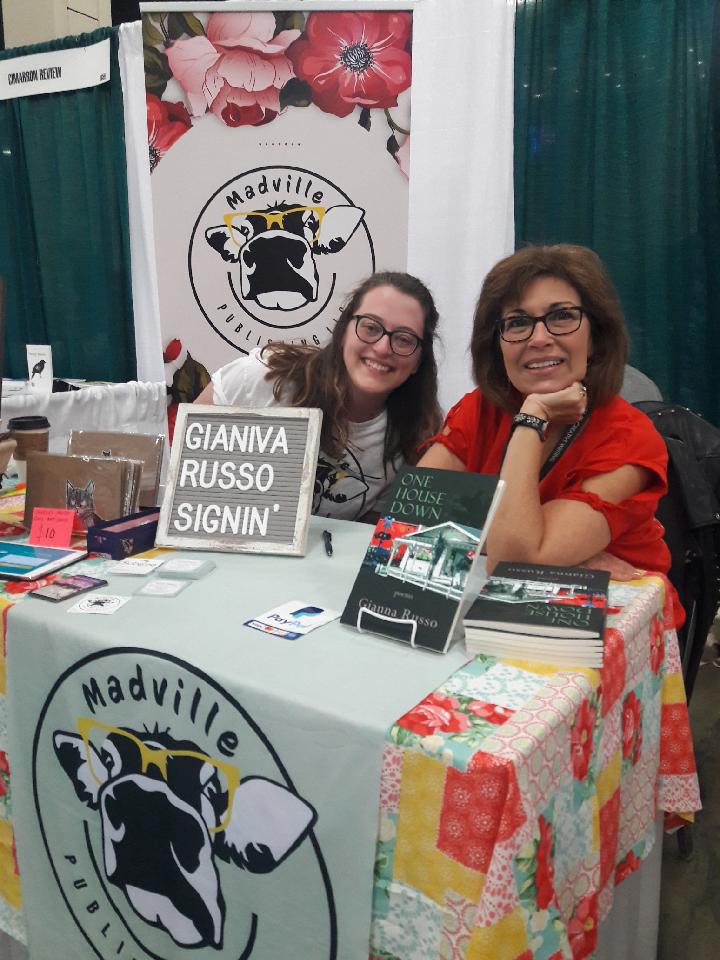
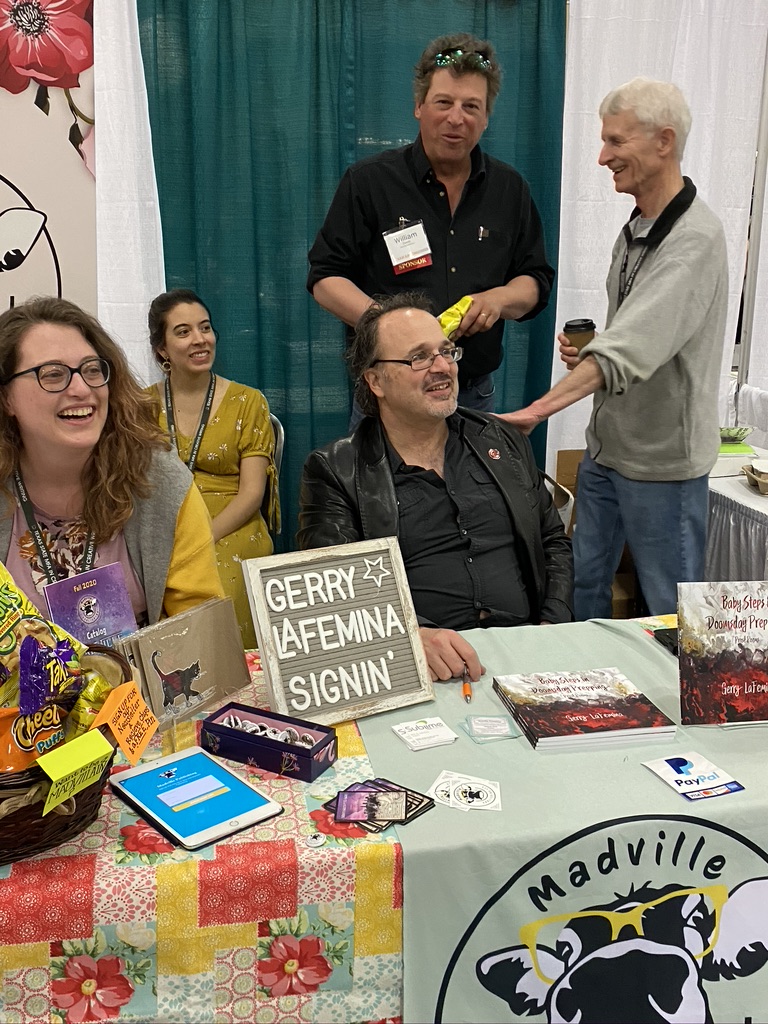
Or… the 2022 SNAFU! We were traveling large to Philly. Luanne Smith splurged again, and bought us the nice sponsorship package with all the bells and whistles. She had a book coming out, you see… I think it was Muddy Backroads that time. And she is one of our board members. Kim, meanwhile read all the instructions from the material handling company, and they suggested quite strongly that we should palletize the books we shipped there because otherwise we would be forced to pay exorbitant fees per box delivered to the booth. Cutting the story short, FedEx were extremely difficult to deal with and didn’t get the books there in time. We had no books to sell at the booth. We had fun anyway, but we really wished they would have just allowed us to claim a loss. But no. They found the books, sent them home, and had the gall to bill us again–several thousand dollars for the pleasure of dealing with them. For future reference, FedEx has no live humans running things anymore. They answer the phone and read from prompts on screen. No decision making capabilities at all. It was really an expensive trip for nothing other than camaraderie, and poor Lu, who paid for it all, barely got to attend due to family issues.
AWP 23 in Seattle

AWP23 in Seattle was a blast. Once again, we had help from Madville board member Luanne Smith, who splurged on a fancy sponsorship package for us. We had a a fabulous location for our booth on sponsors row with Dolly Parton, larger than life to celebrate the launch of our Dolly Parton anthology, Let Me Say This. We had a fun, fun panel about writing poverty, a reception, and an “off-site/on-site” reading that was really nice in one of the hotel conference rooms. Many of the contributors to the Dolly anthology came out to read their work to us, as did the rest of our Madville authors who attended AWP that year.

AWP 2024 in Kansas City

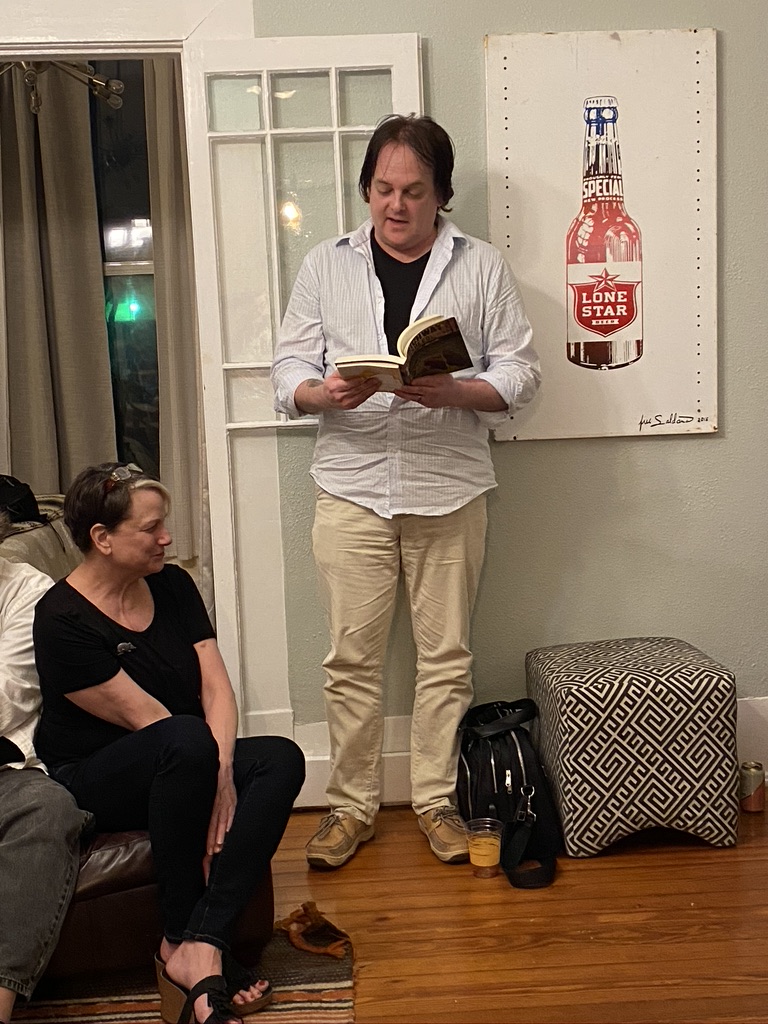
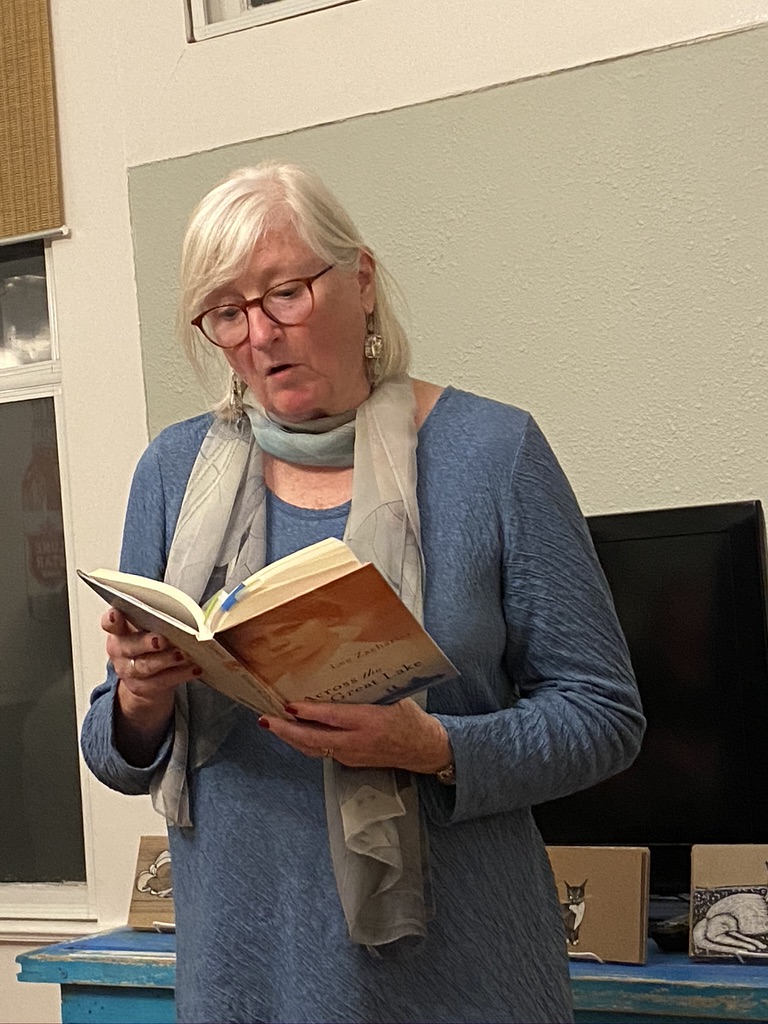
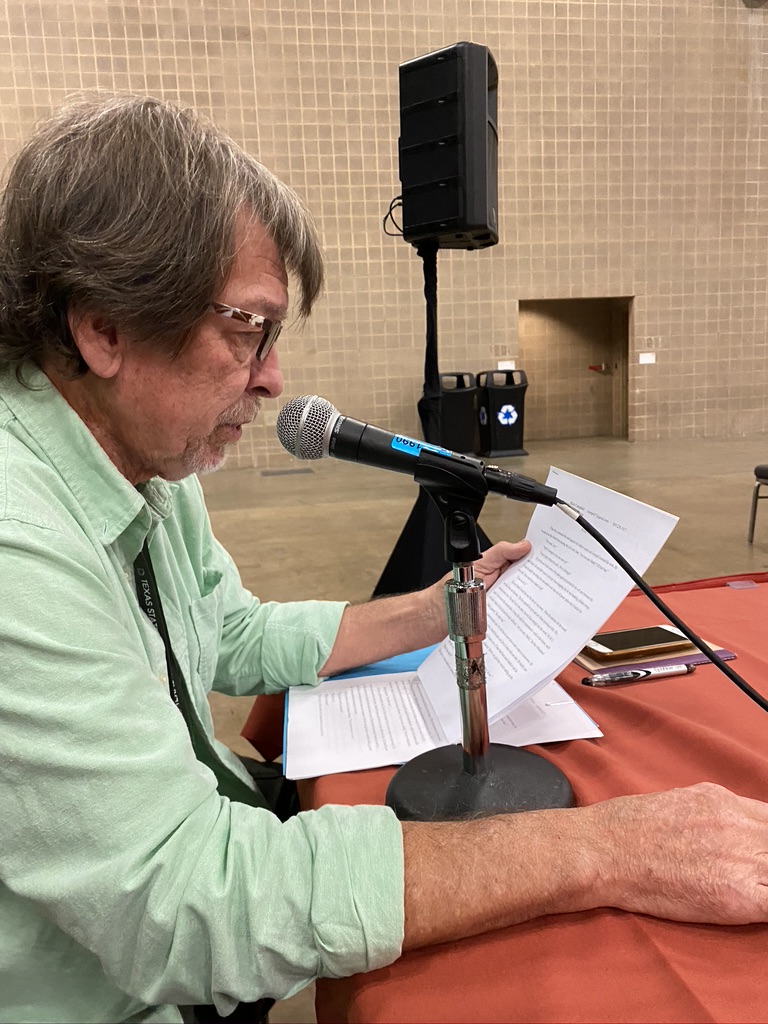
Thanks to Michael Simms and Vox Populi for sharing their space with Madville in 2024 in Kansas City. And thank you to Lee Zacharias for the photos!

AWP 2025 in Los Angeles

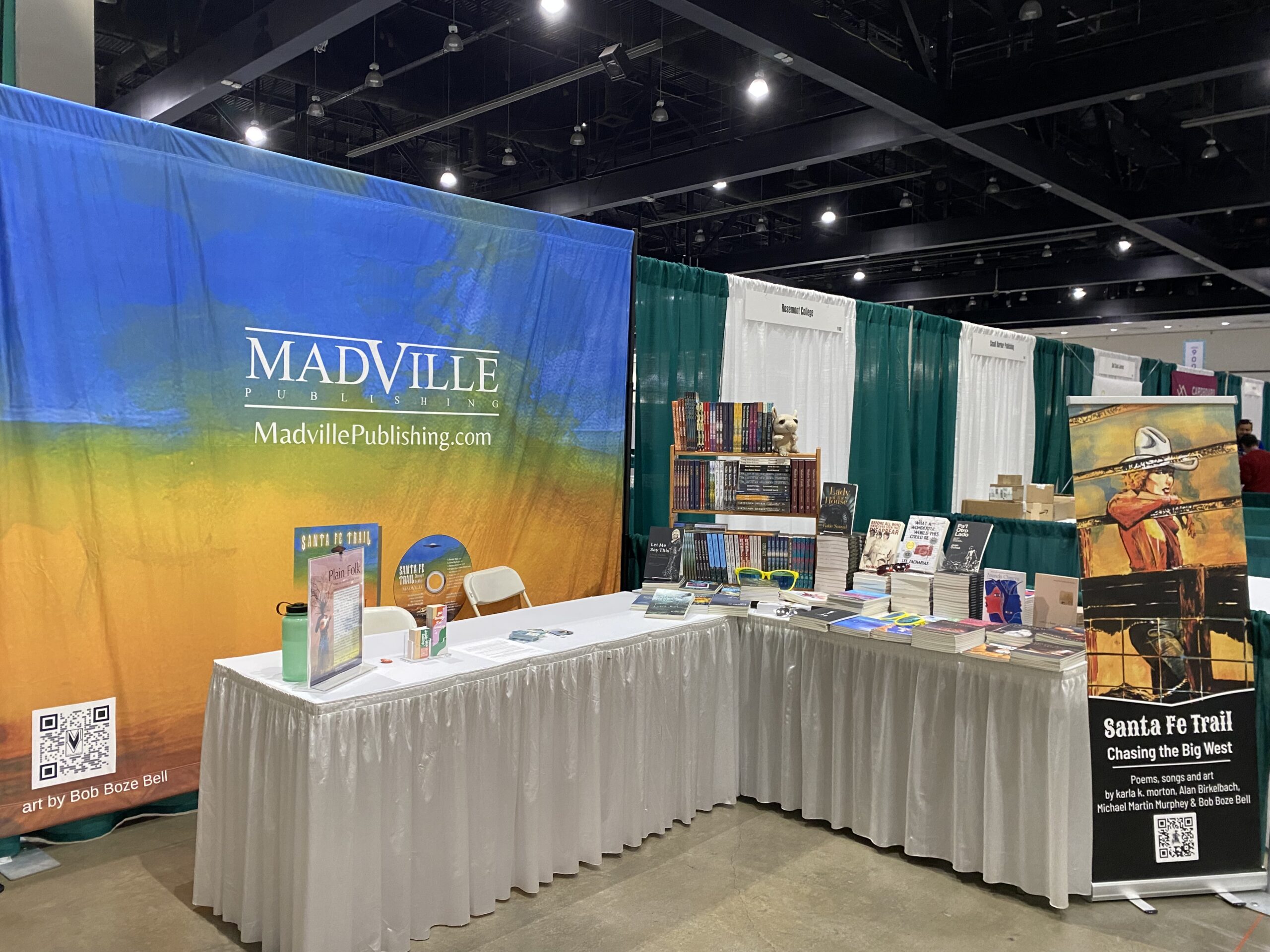
Dolly had proven such a success, we attempted something similar with Honkeytonk Sue, a character created by Bob Boze Bell originally, and used to illustrate several poems in our Santa Fe Trail: Chasing the Big West. She was great, but no where near the attraction that Dolly was. The most fun, we think, from Los Angeles, was the University of Utah honors college students who helped out at the booth. They’re all novel-writing students of our Michael Gills.

We’ll be updating with plans for #AWP26 in Baltimore soon!

Posted on

TACW 2025

Madville showed up in force for the Texas Association of Creative Writers. It is a small conference thatโ€™s always a โ€œfeel-goodโ€ experience–even for first-timers. I laughed the whole time, because there is so much storytelling going on. It happens in the panels, of course, where attendees hear prepared work, whether poetry, fiction, or nonfiction, but the stories flow into the oral tradition when we eat and drink together. And I am really touched that so many Madville authors chose to attend the conference and read their work. Six of them showed up! And all but Steven Moore traveled a very long way to be there. The authors were Steven Moore (The Horizon Never Forgets), Dan Mendoza (Drum the Double Sun–Algoems), Earl Braggs (Obama’s Children), Goutham Rao (Electric Dreams), Bruce Overby (The Cyclone Release), and Amit Verma (A Quiver in the Purlieu, and The Ballads of Niam).

Steven is the current President of TACW, and Dan Mendoza is Vice President. They did a great job. (Previous president, Jill Patterson, is a hard act to follow, and our guys made us proud.)

Look for video of the readings on our YouTube Channel

And this is the URL for our YouTube channel where you will find the videos. We are spacing the publication of the videos out just a little bit on social media so that our audience doesn’t become overwhelmed! That means that we will continue adding videos for a little while, so bookmark the playlist and check back!

One large, messy caption…

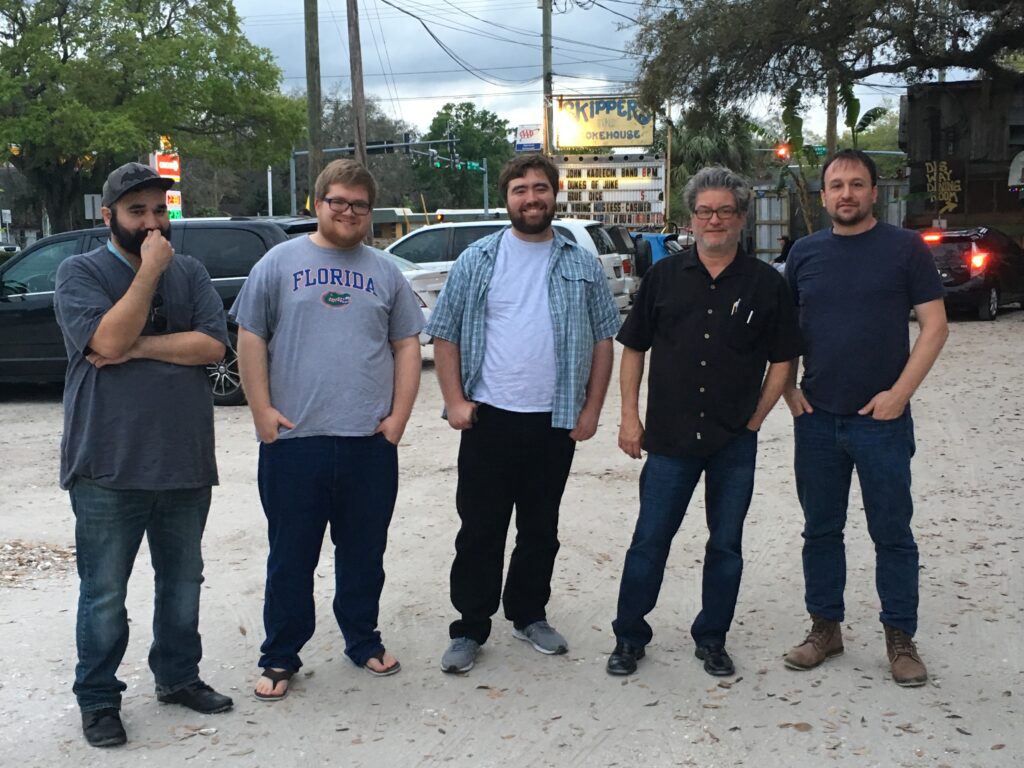
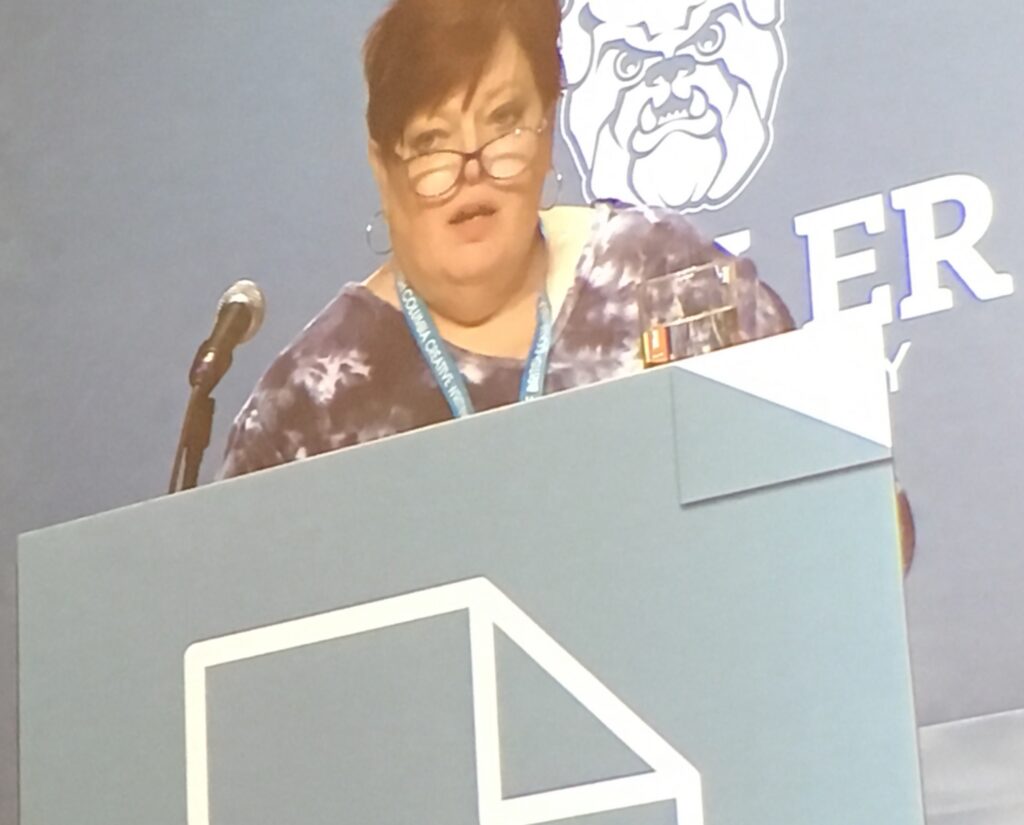
I will try to do a mass caption here… Starting from the top left (Correct me if I’ve missed a name, please!): The new guy, whose name I forgot!, Cassy Burleson, Terry Dalrymple, Jill Patterson, Jim Sanderson, Laurie Champion, Kim Davis, and Chris Ellery. Moving clockwise, Daniel Mendoza, then Jim Sanderson, then a panel composed of authors with work in The Sowell Collection (I think!) I’m confused about who is who in this group. Below them, we see Amit Verma, Steven Moore, and Joe Haske having tacos for lunch. Then come Terry Dalrymple and Bruce Overby. Below them is the lovely view from our hotel room window of the lake at Grandbury at sunrise. Continuing clockwise, we come to Goutham Rao, then Cassy Burleson and Scott Yarbrough. The three women to the right of Cassy and Scott are Debbie Williams, Tui Snider, and Robin Carstensen. Above them in the parking lot are Earl Braggs, Steven Moore, Kim Davis, Amit Verma, and Daniel Mendoza. Above that is Earl S. Braggs, and last but not least, we have Steven Moore, his lovely and very efficient TA who’s name I have misplaced, and Amit Verma.